Blog
Latest articles about debate, argumentation, and critical thinking

How to Win Debates When You’re Wrong: The Art of Defense
In competitive debating, you won’t always defend the stronger side of an issue. Sometimes, you’re assigned a position that’s unpopular, counterintuitive, or even factually weaker. This guide explores how skilled debaters still win under those conditions—by mastering defensive strategy, reframing burdens, and arguing persuasively even when the odds are against them
How to Win Debates When You’re Wrong: The Art of Defense
In competitive debating, you won’t always defend the stronger side of an issue. Sometimes, you’re assigned a position that’s unpopular, counterintuitive, or even factually weaker. This guide explores how skilled debaters still win under those conditions—by mastering defensive strategy, reframing burdens, and arguing persuasively even when the odds are against them.
The Psychology of Persuasion: What Makes Arguments Convincing
Why do some arguments change minds while others fall flat—even when they use similar facts? The answer lies in psychology. This article explores the cognitive, emotional, and social mechanisms that make arguments persuasive, explaining how credibility, framing, emotion, and mental shortcuts shape what people find convincing.
Beginner’s Guide to Competitive Online Debating
Competitive online debating has exploded in popularity, opening the doors for beginners to test their reasoning skills against opponents from around the world. This guide walks you through everything you need to know to get started—from formats and platforms to skills, strategy, and common mistakes—so you can compete confidently and improve fast.
How AI Judges Evaluate Your Arguments: Inside the Algorithm
As artificial intelligence increasingly enters classrooms, competitions, hiring processes, and online platforms, a new question is reshaping debate and argumentation: How does an AI judge actually evaluate your arguments? This article pulls back the curtain on AI-driven evaluation systems, explaining how algorithms assess logic, evidence, clarity, bias, and persuasion—and what that means for anyone trying to argue effectively in an age of machine judgment.
10 Logical Fallacies That Will Tank Your Debate Score
Debate is not just about having strong opinions or speaking confidently—it’s about reasoning well under pressure. Judges, teachers, and audiences aren’t only listening to what you say; they’re listening how you argue. Even a persuasive speaker can lose credibility instantly if their reasoning is sloppy, unfair, or logically flawed.
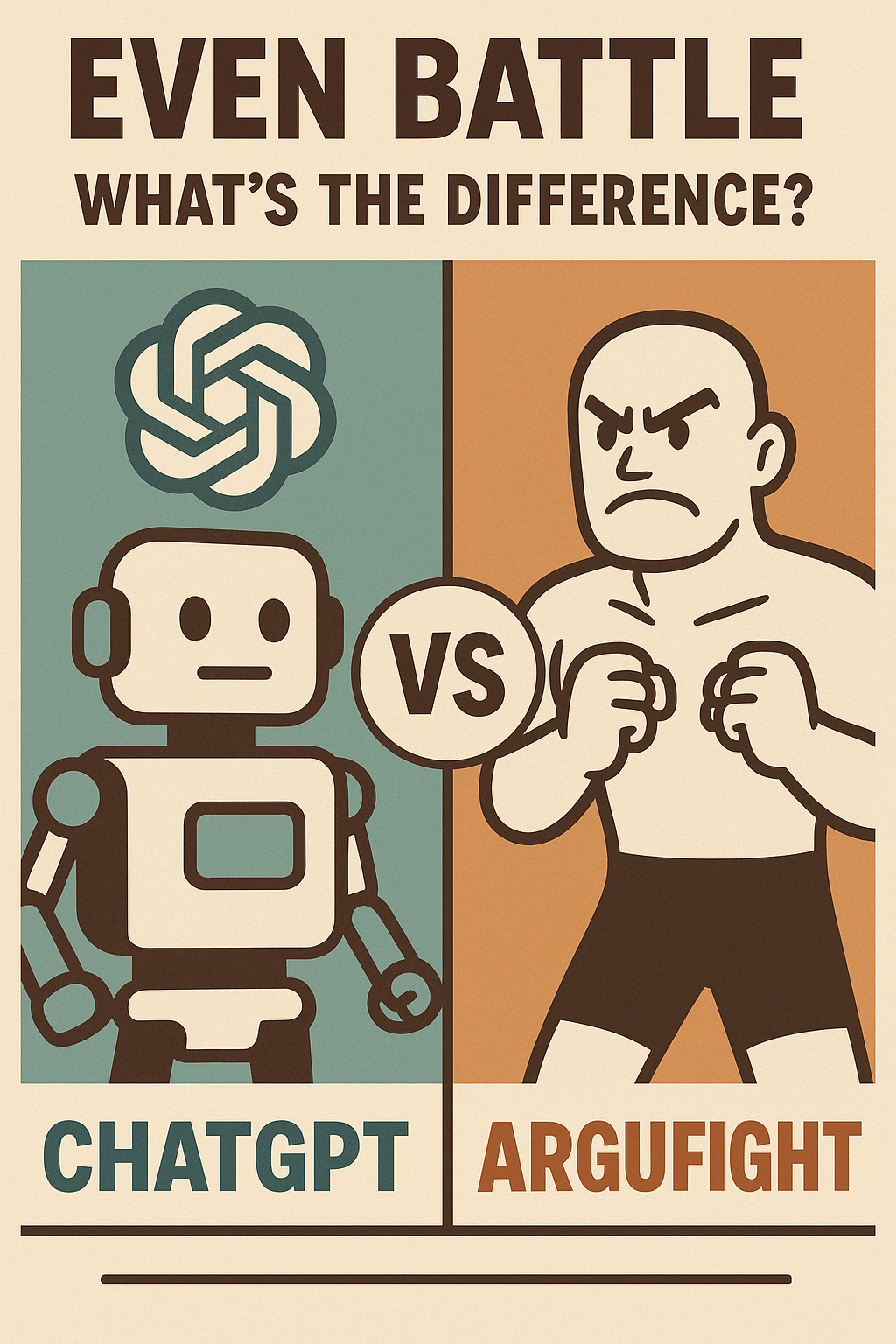
ChatGPT vs Argufight: What's the Difference?
With AI becoming central to online debate and learning platforms, understanding the differences between ChatGPT vs Argufight helps users choose the right tool for their goals.
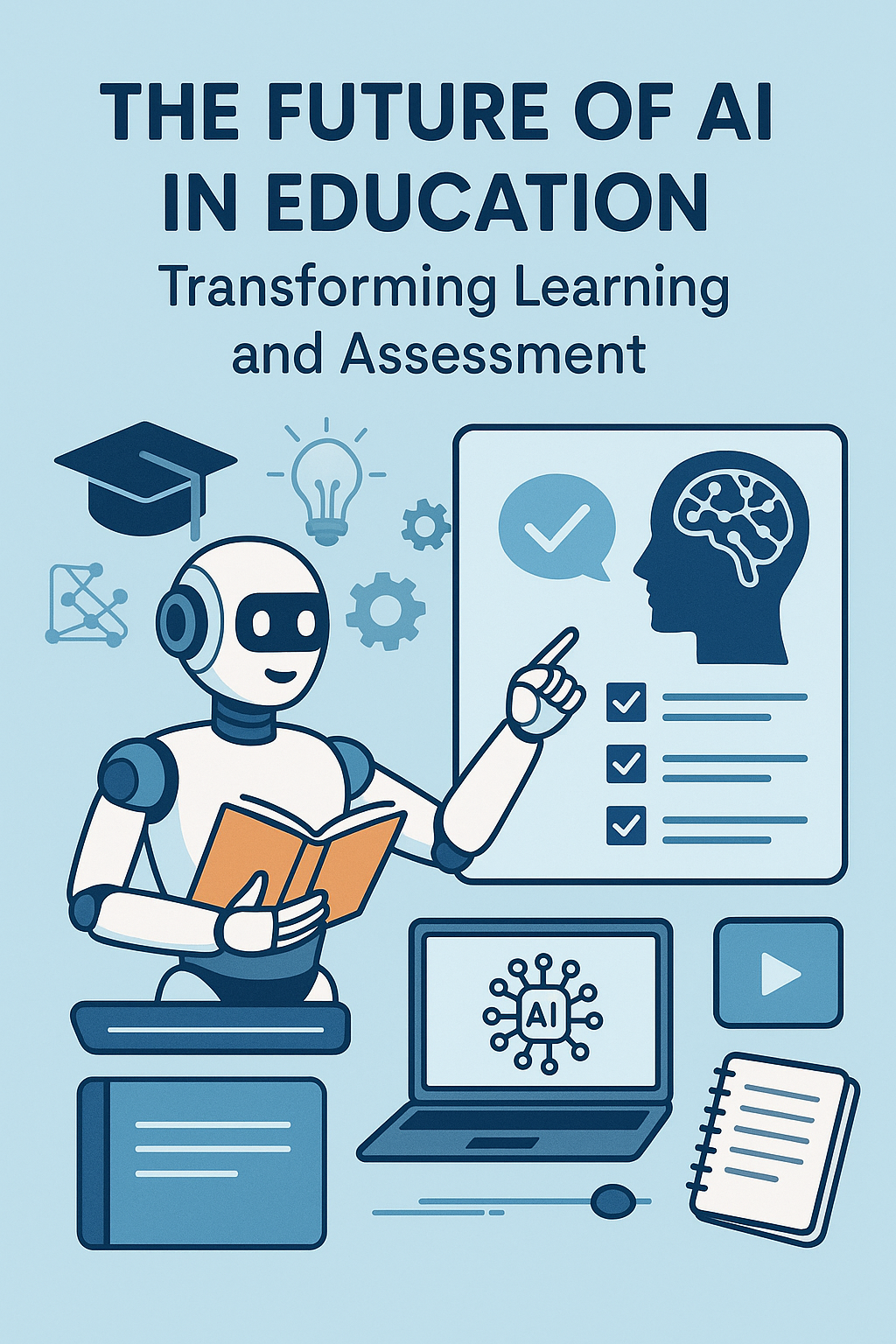
The Future of AI in Education: Transforming Learning and Assessment
Explore the future of AI in education, from personalized learning and AI tutors to automated assessments and adaptive feedback systems.
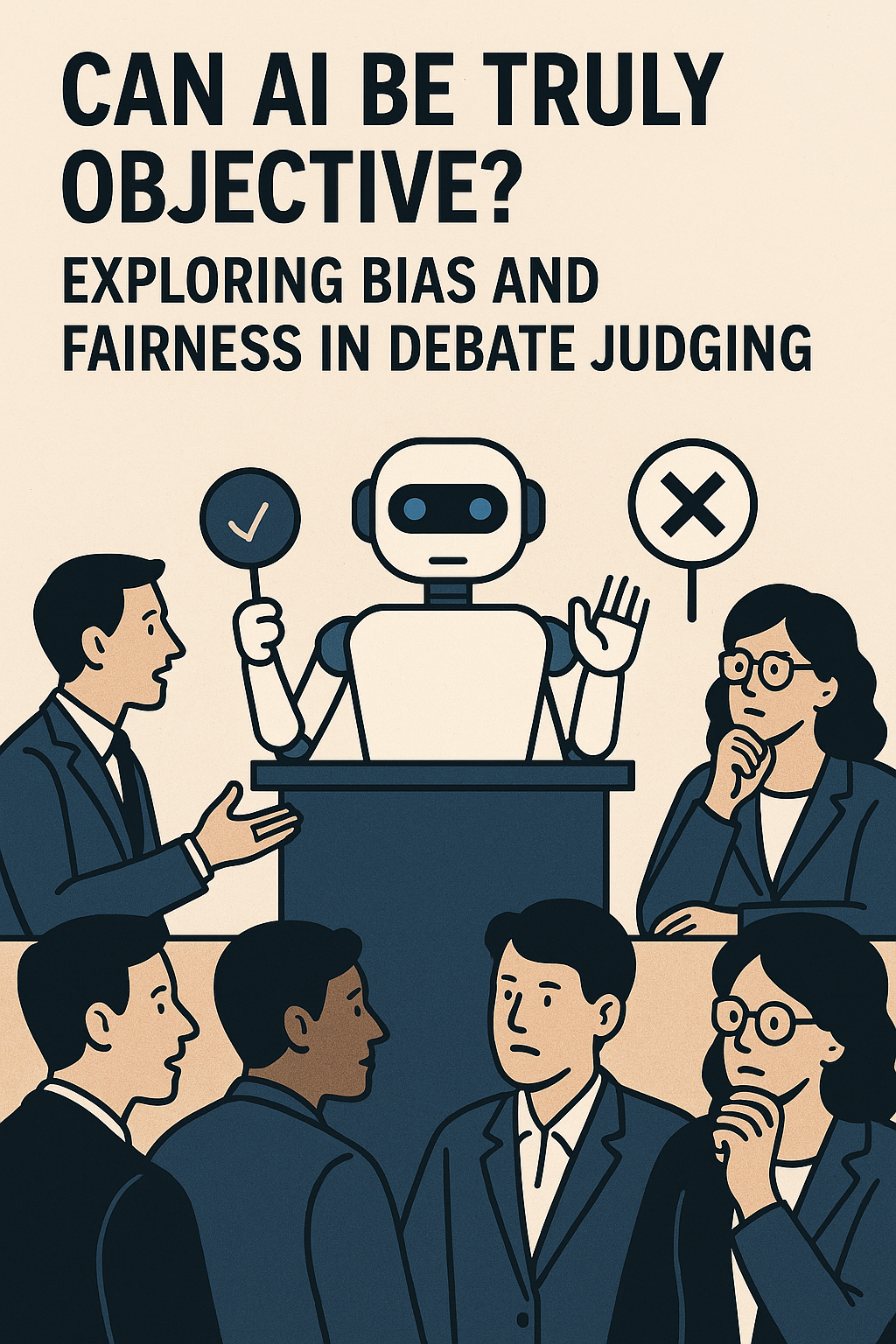
Can AI Be Truly Objective? Exploring Bias and Fairness in Debate Judging
Examine AI objectivity in debates, exploring bias, fairness, and how Argufight ensures impartial judging using advanced algorithms.
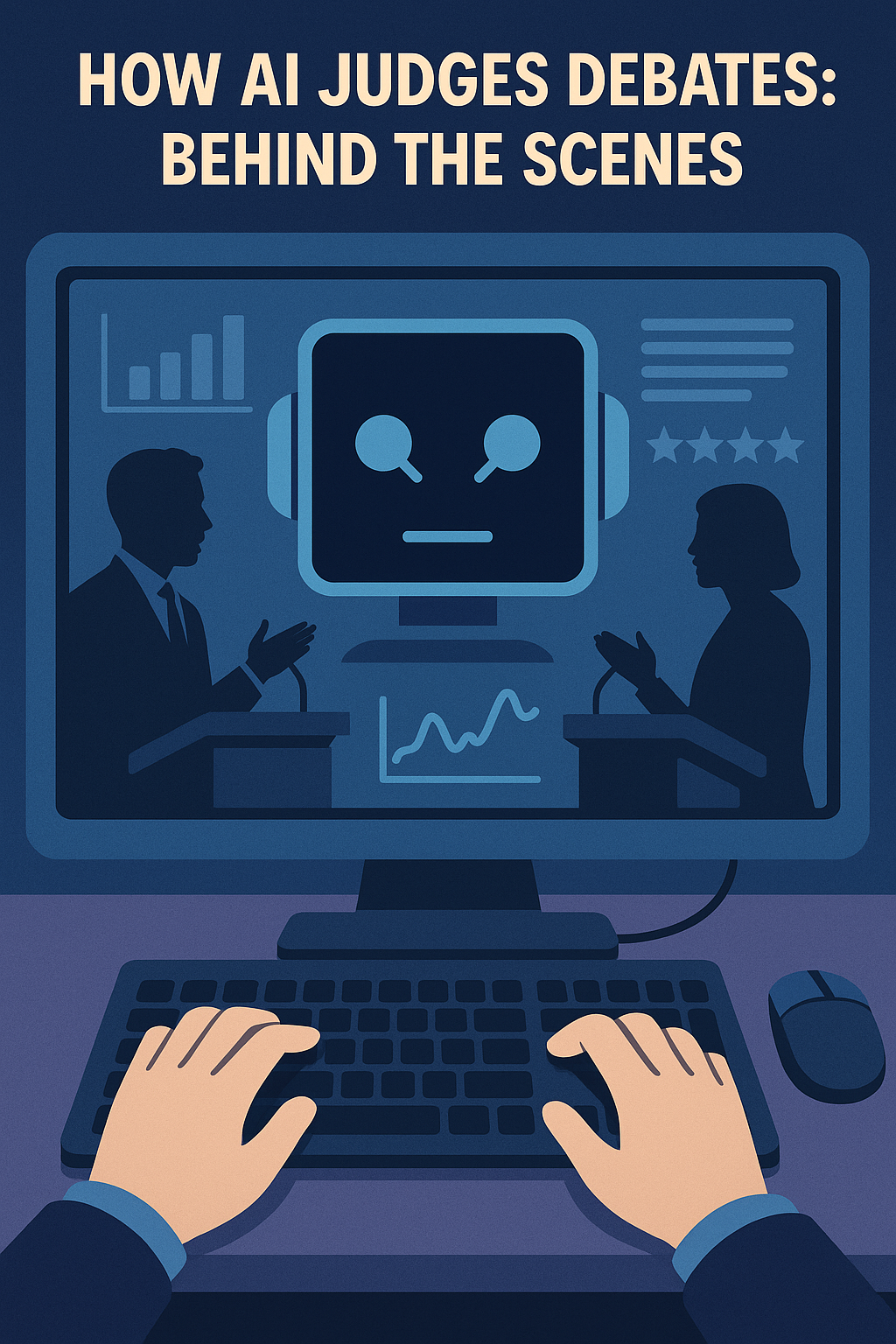
How AI Judges Debates: Behind the Scenes
Discover how AI judges debates, evaluating arguments for clarity, logic, and persuasiveness. A deep dive into Argufight’s AI judging process.